

A plumber in Scottsdale cracked open a water heater not long ago. Seven years old. Maybe eight. Should have lasted longer. Way longer. Inside? Thick white crust. Looked almost like broken seashells stuffed into the tank. Hard water had been chewing away at it for years. Quietly too. No big warning. No dramatic leak on day one. Just slow damage, day after day. Homes without proper Scottsdale water softeners installation deal with this kind of thing all the time around Phoenix.
Phoenix water is rough on plumbing. Real rough. Calcium and magnesium move through pipes nonstop. Water may seem harmless when it pours from the tap, but inside the heater, things get messy pretty fast.
This blog covers what hard water actually does to a water heater, the signs most people shrug off, and what helps before repair bills get ugly.
Why Phoenix Water Causes So Many Problems
Arizona groundwater carries a heavy mineral load. Local water reports keep showing the same thing year after year. Hard water levels stay high across Phoenix, Scottsdale, Mesa, all over the Valley really.
Heat makes the problem worse. Minerals separate from the water once the heater starts doing its job. Sediment sinks. Then it stacks up. Layer by layer.
That buildup leads to:
- Higher energy bills
- Slower heating
- Extra wear inside the tank
Funny thing is, most homeowners do not notice it at first. Water still gets hot. Sort of. Then one morning the shower turns cold halfway through and suddenly everybody cares.
What Hard Water Actually Does Inside the Tank
A clean water heater runs smoothly. Heat moves easily. Water warms fast. Hard water changes the whole rhythm of the system.
Minerals settle at the bottom and create a thick barrier between the burner and the water. The heater has to push harder just to keep up. More heat. More strain. More wasted energy too.
Some people hear popping sounds from the tank. Tiny crackles. Almost like popcorn. That noise usually means water is trapped under hardened sediment and is trying to break free.
Tank heaters struggle the most because sediment collects right at the bottom. Tankless units are better in some ways, sure, but scale still builds inside them too. Hard water does not really play favorites.
Older homes often get hit harder. Narrow pipes plus mineral buildup? Bad combination. Water pressure starts dropping little by little.
Signs Something Is Already Going Wrong
Hard water damage likes to sneak around quietly. One Scottsdale homeowner kept ignoring strange heater noises for months because the unit still worked. Barely. Utility bills climbed higher though. Hot water lasted maybe ten minutes on good days. When the tank finally got inspected, the sediment inside looked like gravel.
Common warning signs include low pressure, uneven water temperature, rusty water, or white chalky spots around faucets. Hot water disappearing too quickly is another big clue. Tiny problems tend to grow fast once the buildup gets heavy enough.
Why Water Softeners Help So Much
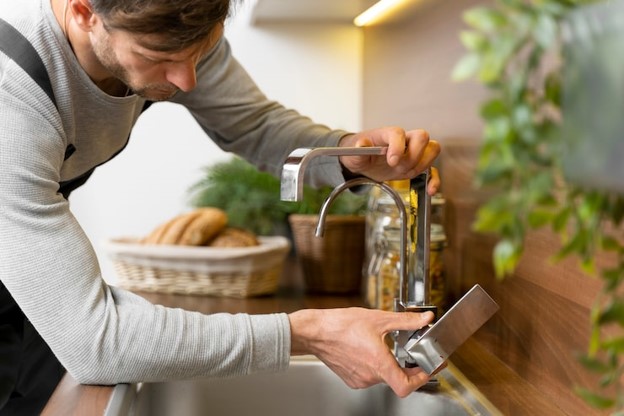
Water softeners remove excess minerals before they travel through the plumbing system. Pretty simple idea honestly. Less calcium moving through the pipes means less buildup inside appliances.
Homes with professionally installed Scottsdale water softeners installation systems often deal with fewer plumbing repairs over time. Water heaters stay cleaner. Fixtures last longer. Even dishwashers seem happier. Weirdly enough.
Sizing matters though. Small systems struggle with Arizona water because the mineral content here is intense compared to many other states. Experienced plumbers usually test hardness levels first instead of guessing. That part matters more than flashy sales talk.
Reverse Osmosis Systems and Cleaner Water
Soft water helps appliances. Drinking water is a different story. A quality reverse osmosis system Scottsdale homeowners install can help reduce minerals, odd tastes, and other contaminants from drinking water. Reverse osmosis systems pair really well with water softeners too. One protects plumbing. The other improves water quality at the tap.
Together they help provide:
- Better-tasting water
- Cleaner plumbing systems
- Less mineral buildup overall
A lot of newer homes around Scottsdale already use both systems together because hard water problems are not going away anytime soon.
When Replacement Starts Making More Sense
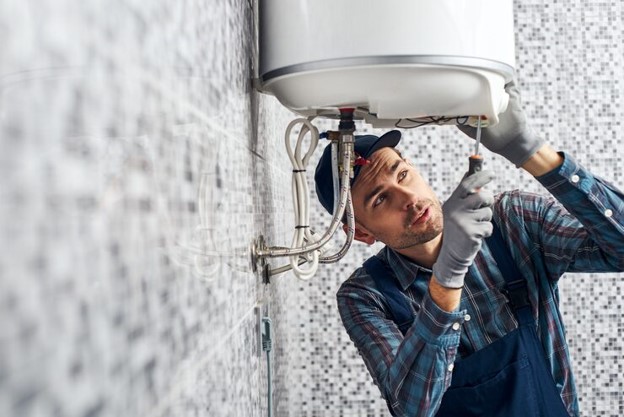
Sometimes flushing the tank helps. Sometimes the damage is already too serious. A heater that leaks, struggles to heat water, or keeps needing repairs may already be near the end. Rust inside the tank is another bad sign. Once corrosion spreads, repairs become temporary at best.
Professional Water Heater installation Phoenix services are usually recommended once mineral buildup starts damaging core components. Newer heaters run more efficiently, especially when paired with softeners or filtration systems.
Tankless systems have become more popular lately because they waste less energy. Still need maintenance though. Hard water never fully disappears in Phoenix. Not even close. Skipping yearly service usually catches up eventually.
Simple Ways to Protect a Water Heater
Hard water is normal in Arizona. Expensive plumbing damage does not have to be. Regular flushing helps clear sediment before it hardens into thick layers. Water softeners reduce mineral buildup across the whole home. Small maintenance checks can also catch hidden issues early before repair costs spiral upward.
Most homeowners wait too long. Happens all the time honestly. Things feel manageable until suddenly there is no hot water left at all. Preventive maintenance always feels annoying right up until it saves thousands of dollars.
Conclusion
Hard water affects almost every home in Phoenix. Water heaters usually suffer first because minerals build up slowly inside the system year after year. No big warning lights. No dramatic countdown. Just quiet damage happening in the background.
Routine maintenance, proper water treatment, and early inspections can make a huge difference in how long a heater lasts. Small steps now often prevent major plumbing headaches later.
Many homeowners across the Valley rely on America Plumbing for water heater services, water softener solutions, and long-term plumbing protection — the same plumbing repair near me searches keep pointing to before small issues turn costly.
FAQs
Why is Phoenix water considered hard?
Phoenix water contains high levels of calcium and magnesium from natural groundwater sources.
Can hard water damage a water heater?
Yes. Mineral buildup reduces efficiency, increases wear, and can shorten the lifespan of the system.
How often should a water heater be flushed in Arizona?
Most plumbers recommend flushing the system once every year due to heavy sediment buildup.
What are signs of hard water buildup in a heater?
Noisy operation, inconsistent hot water, white residue, and higher utility bills are common signs.
Leave a Reply