


Homeowners in Phoenix rely on efficient water heating systems year-round. It is not only about comfort when picking up the appropriate service for Water Heater installation Phoenix. It influences energy consumption, water pressure, and energy maintenance. This blog provides information on what a homeowner needs to know before installing or replacing a water heater in Phoenix/ Scottsdale. You will find out about the type of systems, local factors, the fundamentals of installations and the influence of professional service on performance. The aim is to assist you in making informed and practical decisions that suit your needs for home and water usage.
Understanding Water Heater Options in Phoenix
Tank water heaters remain common in many Phoenix homes. They store hot water and are cost-effective upfront. However, recovery time and energy efficiency depend on tank size and household demand.
- Best for small to mid-size households
- Lower initial installation cost
- Requires space and routine flushing
Tankless Water Heaters
Tankless water heater installation Phoenix/Scottsdale has grown in demand due to energy savings and space efficiency. These systems heat water on demand and reduce standby energy loss.
- Endless hot water supply
- Higher upfront cost, lower long-term energy use
- Requires electrical or gas system evaluation
Local Factors That Affect Installation
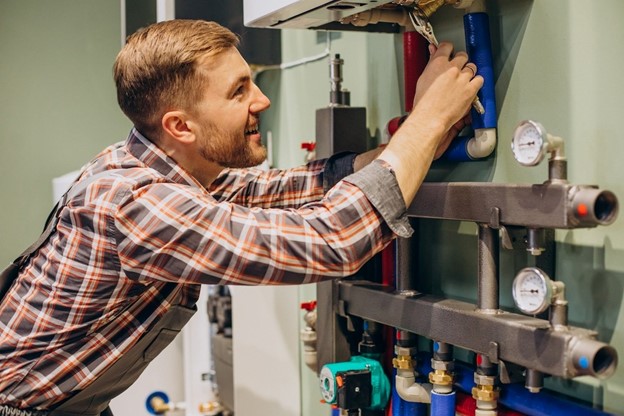
Phoenix homes face unique conditions that influence installation decisions. Hard water levels, older plumbing layouts and extreme summer temperatures all play a role.
- Hard water may require filtration or softeners
- Older homes may need pipe or vent upgrades
- Proper sizing prevents strain during peak use
Professional installers assess these factors before recommending a system. This ensures compliance with Arizona plumbing codes and avoids premature wear.
Why Professional Installation Matters
Hiring licensed plumbers ensures safety, efficiency, and code compliance. Poor installation can lead to leaks, energy loss, or voided warranties.
Proper unit sizing will result in the water heater operating at its highest efficiency and minimizes internal component strain to extend its service life. Safe plumbing and gas systems eliminate all leaks with the potential to damage water or break down a system. Code-compliant venting is very safe since it is used to release heat and exhaust gases in a proper manner.
The Scottsdale community of homeowners usually seeks Top notch water heater service in Scottsdale so that they do not have to repair their water heaters over and over again and experience unplanned water heater failure. The reliability of daily life is directly related to the quality of installation.
Maintenance and Long-Term Performance
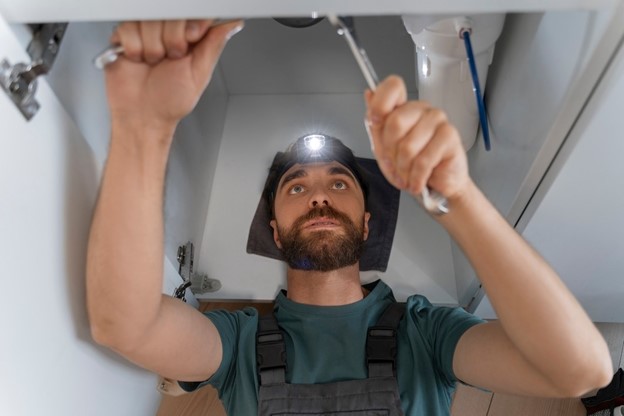
After installation, maintenance is key. Flushing tanks, checking anode rods, and inspecting valves extend system life.
- Annual maintenance improves efficiency
- Early inspections prevent emergency failures
- Tankless systems need descaling in hard water areas
Routine care reduces operating costs and protects your investment.
Conclusion
Installation of water heaters in Phoenix needs to be planned, locally known and professionally done. It is possible to prevent future troubles by choosing the appropriate system, familiarizing the home conditions, and investing in professional installation assistance. Whenever additional installation is required or there is a certain replacement, it is always worth calling the good professionals who will ensure that there is value as well as safety in the long run. Contact America Plumbing in order to schedule a professional inspection and installation.
FAQs
- How long does water heater installation take in Phoenix?
Most installations take 2–4 hours, depending on system type and plumbing condition.
- Is tankless water heating worth it in Phoenix?
Yes. Tankless systems work well in warm climates and offer energy savings over time.
- Do I need a permit for water heater installation?
Yes. Phoenix and Scottsdale require permits for most water heater installations.
- How often should a water heater be replaced?
Traditional tanks last 8–12 years. Tankless systems can last 20 years with proper maintenance.
Leave a Reply